Introduction
Trazodone has remained one of the world’s most widely prescribed antidepressants for more than four decades, not simply because it is effective, but because it works differently from many other medications used to treat depression. While most antidepressants focus primarily on increasing serotonin levels, trazodone has a more sophisticated mechanism of action involving multiple neurotransmitter systems and several types of serotonin receptors.
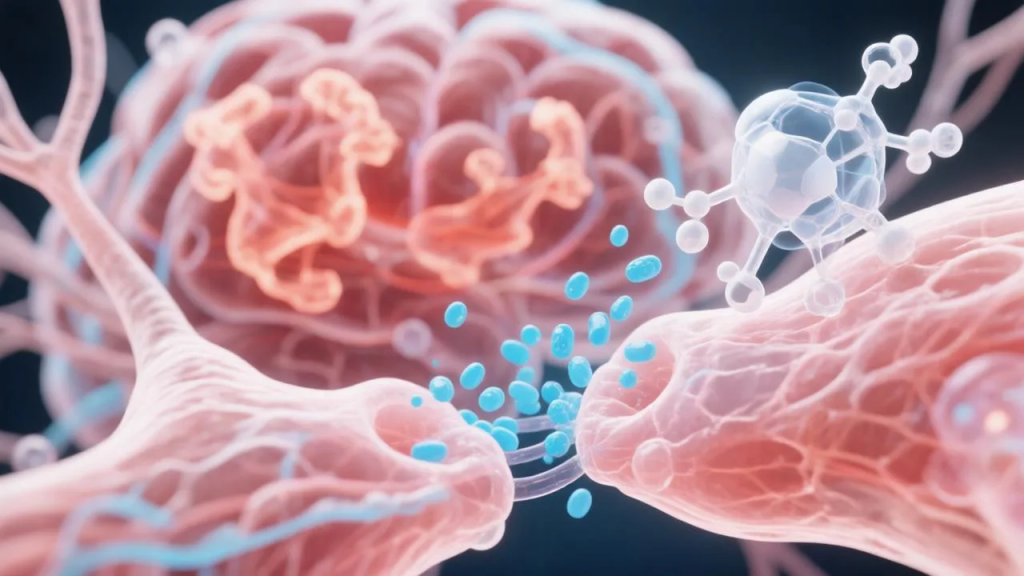
This unique pharmacological profile explains why trazodone is commonly prescribed not only for major depressive disorder but also for patients who experience insomnia, anxiety, or sleep disturbances associated with mood disorders.
Understanding how trazodone works helps explain why physicians continue to prescribe this medication despite the availability of many newer antidepressants.
The Brain’s Communication Network
The human brain contains approximately 86 billion neurons, each communicating through specialized chemical messengers known as neurotransmitters. Every thought, emotion, memory, and behavior depends on the precise balance of these chemicals.
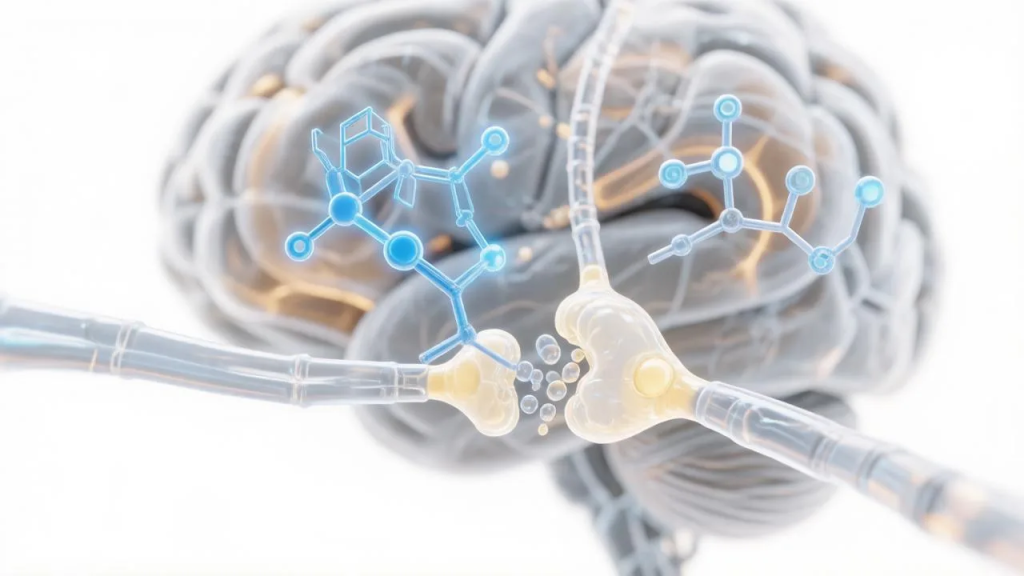
Several neurotransmitters play important roles in emotional regulation, including:
- Serotonin
- Dopamine
- Norepinephrine
- Gamma-aminobutyric acid (GABA)
- Glutamate
- Acetylcholine
- Histamine
Among these, serotonin has received particular attention because of its involvement in mood, anxiety, sleep, appetite, learning, and emotional processing.
What Is Serotonin?
Serotonin, also known as 5-hydroxytryptamine (5-HT), is one of the brain’s most important signaling molecules.
It influences numerous biological functions, including:
- Emotional stability
- Sleep regulation
- Memory
- Appetite
- Pain perception
- Sexual function
- Cognitive performance
- Stress response
Neurons release serotonin into the tiny gap between nerve cells, known as the synaptic cleft. Once serotonin has transmitted its signal, specialized transporter proteins recycle it back into the neuron through a process called reuptake.
Many antidepressants work by slowing this recycling process.
More Than a Typical Antidepressant
Unlike traditional selective serotonin reuptake inhibitors (SSRIs), trazodone does not rely solely on blocking serotonin reuptake.
Instead, it combines several pharmacological actions into a single medication.
For this reason, trazodone belongs to the class known as Serotonin Antagonist and Reuptake Inhibitors (SARIs).
Its mechanism includes:
- Moderate inhibition of serotonin reuptake
- Blockade of specific serotonin receptors
- Blockade of histamine H1 receptors
- Blockade of alpha-1 adrenergic receptors
Together, these effects produce a therapeutic profile that differs substantially from many other antidepressants.
Step One: Increasing Available Serotonin
One of trazodone’s actions is inhibition of the serotonin transporter.
Normally, released serotonin is quickly removed from the synapse.
Trazodone slows this recycling process.
As a result:
- More serotonin remains available
- Communication between neurons may improve
- Mood regulation gradually becomes more stable
However, this is only one part of trazodone’s overall activity.
Step Two: Blocking Specific Serotonin Receptors
One of trazodone’s most distinctive features is its ability to block certain serotonin receptors, particularly the 5-HT2A and 5-HT2C receptor subtypes.
Why is this important?
Not every serotonin receptor produces the same effect.
Some serotonin receptors are associated with:
- Anxiety
- Restlessness
- Sleep disruption
- Sexual side effects
By selectively blocking these receptors while allowing beneficial serotonin signaling through others, trazodone may reduce some unwanted effects that can occur with certain antidepressants.
This receptor-selective approach is one reason trazodone has maintained clinical relevance for decades.
Why Does Trazodone Cause Sleepiness?
Perhaps the most recognizable characteristic of trazodone is its sedative effect.
This occurs largely because trazodone blocks histamine H1 receptors.
Histamine is well known for its role in allergic reactions, but within the brain it also promotes wakefulness and alertness.
When histamine signaling is reduced:
- Sleepiness increases
- Relaxation becomes easier
- Falling asleep may require less time
This explains why physicians sometimes prescribe low-dose trazodone for carefully selected patients experiencing insomnia.
Effects on the Adrenergic System
Trazodone also blocks alpha-1 adrenergic receptors.
These receptors normally respond to norepinephrine and help regulate blood vessel tone and alertness.
Blocking them contributes to:
- Relaxation
- Reduced physical tension
- Lower blood pressure in some individuals
This mechanism partly explains why dizziness or lightheadedness may occur, especially when standing up quickly.
Why Depression Improves Slowly
Many patients wonder why antidepressants do not work immediately.
Although trazodone begins interacting with receptors after the first dose, improvement in depressive symptoms generally develops gradually.
Several biological processes require time:
- Changes in receptor sensitivity
- Adaptation of neuronal circuits
- Altered gene expression
- Formation of new neural connections
- Improved communication between brain regions
Clinical improvement often occurs over several weeks, even though some patients notice better sleep much sooner.
Why Sleep Often Improves First
One interesting characteristic of trazodone is that sleep may improve within days, whereas antidepressant effects typically take longer.

This difference occurs because sedation results directly from receptor blockade, while mood improvement depends on longer-term adaptations within the brain.
Consequently, patients may experience:
Week 1:
- Improved sleep
- Reduced nighttime awakening
- Mild daytime drowsiness
Weeks 2–4:
- Gradual emotional stabilization
- Reduced anxiety in some individuals
- Progressive improvement in depressive symptoms
The exact timeline varies considerably between patients.
Individual Responses Vary
No two brains are identical.
Factors influencing individual response include:
- Genetics
- Age
- Liver metabolism
- Kidney function
- Other medications
- Underlying medical conditions
- Severity of depression
- Lifestyle factors
This variability explains why one patient may respond extremely well while another requires a different treatment strategy.
Long-Term Changes in the Brain
Modern neuroscience suggests that successful antidepressant treatment involves more than simply increasing serotonin.
Long-term therapy may contribute to:
- Improved neuronal communication
- Better regulation of stress-response systems
- Enhanced emotional processing
- Increased neuroplasticity
- Stabilization of sleep architecture
Researchers continue investigating precisely how these changes occur.
How Trazodone Differs from SSRIs
Although both trazodone and SSRIs influence serotonin, their pharmacology differs substantially.
Typical SSRIs primarily increase serotonin availability by blocking reuptake.
Trazodone combines moderate serotonin reuptake inhibition with receptor antagonism and additional effects on histamine and adrenergic receptors.
These differences help explain why trazodone frequently produces more sedation than many SSRIs and why it occupies a unique position among antidepressants.
Modern Research
More than forty years after its introduction, researchers continue studying trazodone.
Current investigations include:
- Sleep quality
- Depression
- Anxiety disorders
- Neurobiology of serotonin receptors
- Long-term safety
- Combination therapy with other psychiatric medications
Its long clinical history, combined with ongoing scientific interest, makes trazodone one of the most thoroughly studied antidepressants currently available.
Summary
Trazodone is far more than a simple serotonin booster.
Its combination of serotonin reuptake inhibition, selective serotonin receptor blockade, histamine receptor antagonism, and adrenergic receptor blockade creates a pharmacological profile unlike that of most modern antidepressants.
This unique mechanism explains why trazodone has remained an important treatment option for more than four decades.
While newer antidepressants continue to emerge, trazodone’s distinctive balance of antidepressant activity and sleep-supporting properties ensures that it continues to play a valuable role in modern psychiatric practice when prescribed appropriately by qualified healthcare professionals.