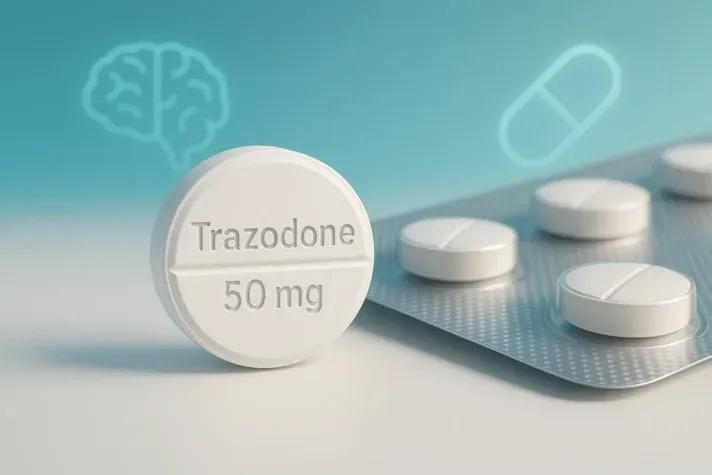
I first heard the name “Super Trazodone” in a group chat, but it turned out there was nothing super or branded about it. It was just Trazodone, a prescription antidepressant doctors sometimes give for sleep when insomnia gets out of hand.
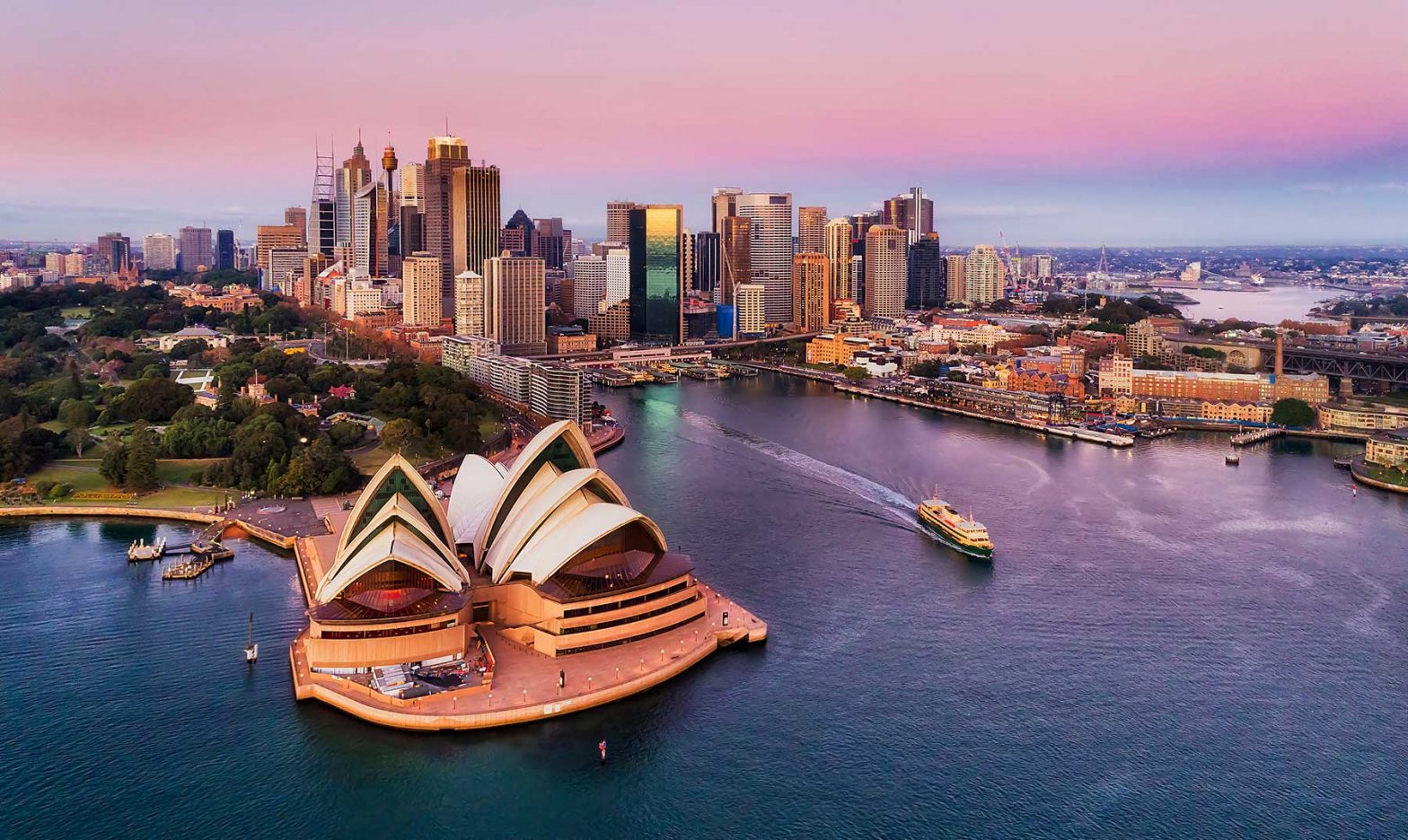
At the time, I was 27, living in Sydney, and my sleep was broken beyond repair. Nights felt like endless scrolling, racing thoughts, and a body that refused to shut down even when I was exhausted.
A GP eventually mentioned trazodone after I’d tried everything else—melatonin, antihistamines, sleep hygiene routines that never stuck. He explained it wasn’t a sleeping pill in the classic sense, but an antidepressant that often knocks people into sleep at lower doses.
That’s when my story with “Super Trazodone” began.
A Short History of the Drug Behind the Name
What I didn’t know then was that trazodone has been around for decades.
It was developed in Italy in the 1960s by Angelini Research Laboratories and later approved in the US in 1981 as one of the first modern antidepressants outside the older tricyclic and MAOI classes .
Originally designed for depression, it slowly became famous for something else entirely: it makes people sleepy—strongly so at low doses.
That off-label use is now extremely common in clinical practice, especially for insomnia.
My First Night on “Super Trazodone”
The first dose felt deceptively mild—just a small tablet before bed.
Within an hour, I felt my body slow down in a way I hadn’t experienced in years. Not peaceful sleepiness, but a heavy, sinking sedation—like gravity had doubled.
There was no emotional “high.” No buzz. Just shutdown.
I remember thinking:
“So this is what normal people feel like before sleep.”
And then I woke up eight hours later, confused by how complete the blackout was.
What the Experience Feels Like Over Time
After a week, patterns emerged:
- I fell asleep faster than I had in years
- Night anxiety dropped significantly
- I stopped waking up every 1–2 hours
- Dreams became more vivid, sometimes strange
But it wasn’t a free upgrade.
The trade-offs were obvious.
The Real Features
1. Sedation first, antidepressant second
At lower doses, it mainly works by blocking histamine and certain serotonin receptors, which causes drowsiness more than mood elevation.
2. Not a traditional sleeping pill
It doesn’t “switch off” the brain cleanly. It dulls it, slows it, then drags it into sleep.
3. Dose-dependent effects
Higher doses are used for depression, but lower doses are often used for sleep—where most people feel the strongest sedative effects.
4. Unpredictable response
Some nights it works perfectly. Other nights it feels too strong or too weak.
Side Effects I Couldn’t Ignore
The downsides showed up gradually, not immediately.
According to clinical data, trazodone commonly causes sedation, dizziness, fatigue, and dry mouth , and those matched my experience almost exactly.
For me personally:
- Morning grogginess (“hangover brain”)
- Slight dizziness when standing up fast
- Emotional flattening the next day
- Occasional heavy dreams that lingered after waking
There are rarer risks too—low blood pressure, heart rhythm changes, and in very rare cases priapism (a medical emergency in males) .
Nothing dramatic happened to me, but the drug never felt “neutral.” It always had weight.
Life in Australia with It
Getting it in Australia wasn’t complicated, but it was controlled—prescription only, through a GP.
It wasn’t something you casually “bought online.” It was part of a medical plan, usually reviewed if side effects became too strong or sleep improved.
What changed my perspective was realizing this wasn’t a “hack” for sleep—it was a psychoactive antidepressant being repurposed for sedation.
What It Ultimately Did for Me
After a few weeks, something unexpected happened:
- My sleep stabilized
- My anxiety about not sleeping reduced
- My days became more functional simply because nights stopped collapsing
But I also noticed something else:
I didn’t feel rested in a natural way. I felt managed.
That’s the strange truth about trazodone—it doesn’t fix sleep. It forces it into existence.
Final Thoughts on Trazodone
“Super Trazodone” isn’t a real enhanced version of anything. It’s just a street-level nickname people sometimes use for a medication that can feel surprisingly powerful in its sedating effects.
The reality is simpler:
- It’s a decades-old antidepressant
- It’s widely used off-label for sleep
- It works, but not cleanly or perfectly
- And it comes with a noticeable trade-off profile
For me, it didn’t feel like a miracle or a danger. It felt like a tool—one that worked, but always reminded you it was there.